Category: Japanese Art
-
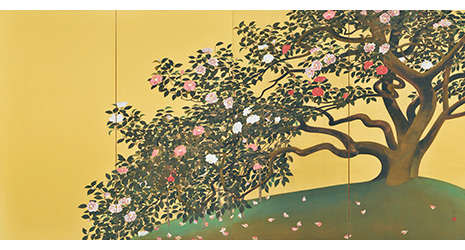
Gyoshu Hayami’s Nature Basks in a Golden Light
Hello friends! I was doing a deep dive on Gyoshu Hayami and was, again, rather impressed by some of his work (as I mentioned previously), which of course is quite graceful in terms of style and composition. However, technique-wise, he seems to have been on another level. Whereas some artists who worked with gold, like…
-
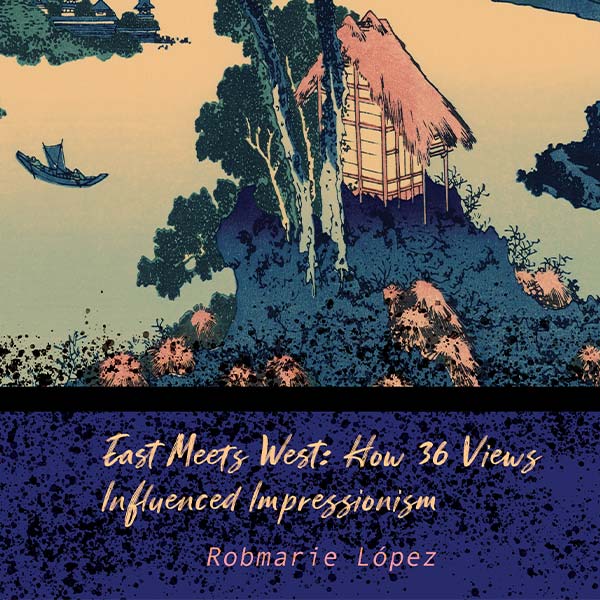
“East Meets West: How 36 Views Influenced Impressionism”
Hello friends! It seems like forever since I’ve made my way on here. However, out of sight does not equal out of mind. Today I share some good news: the book, East Meets West: How 36 Views Influenced Impressionism has just been released as a paperback/Kindle e-book! What’s it about, you might ask. Well, if…
-
Japan Sugoi: Cool Finds Newsletter
Hi All! Welcome to Japan Sugoi, IKB’s new “cool finds” newsletter–where I round up cool Japanese finds from the world wide web. It’s been a while since I posted. I guess that I could say that every time I post. But! I have a good-ish excuse: I’ve spent the last couple months a bit swamped…
-
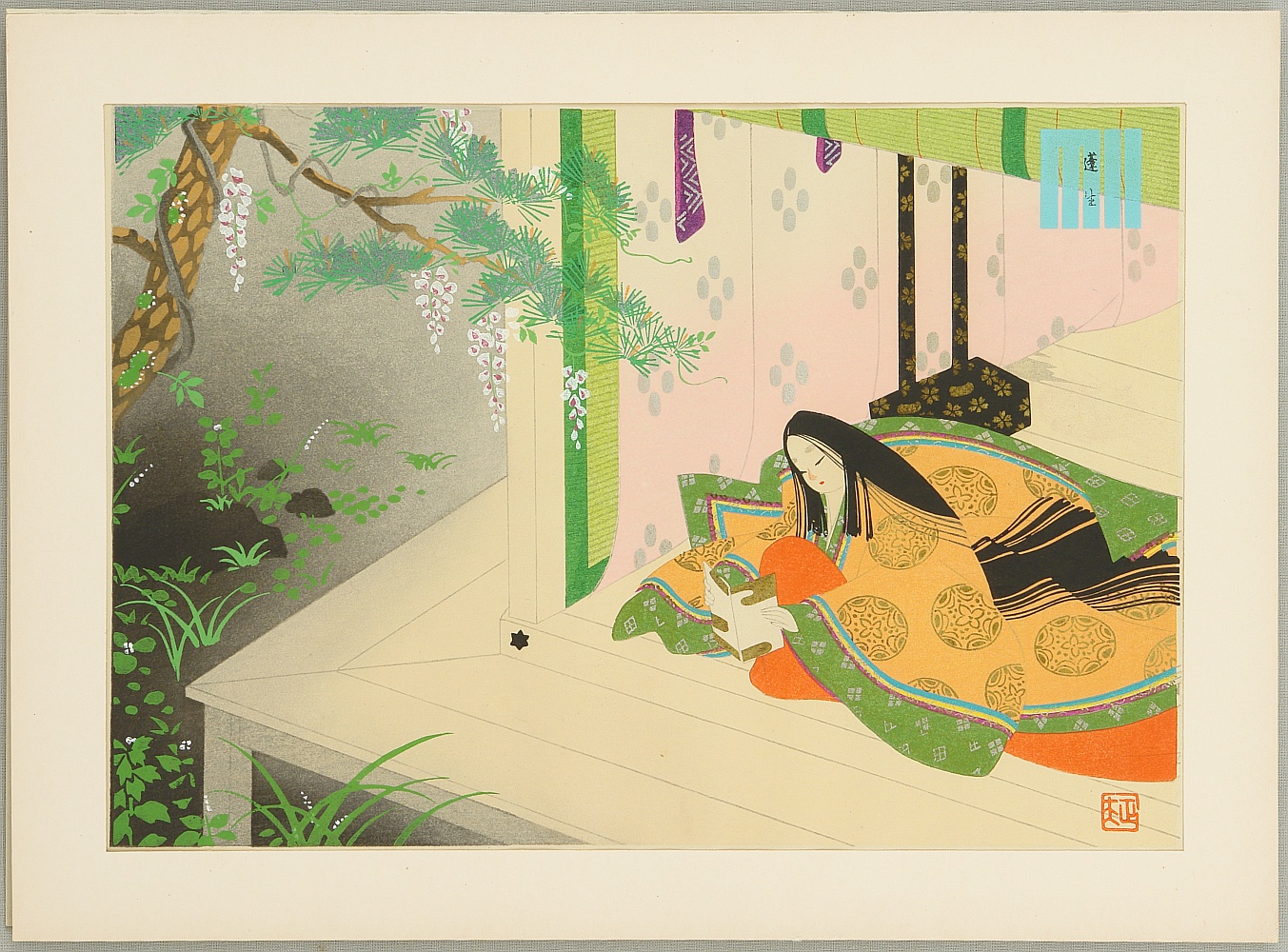
Quick Print: Yomogyu – The Tale of Genji by Masao Ebina
Masao Ebina (Japanese), Genji Monogatari (“The Tale of Genji”), mid-20th century. Source: artelino The Tale of Genji was the first novel to be published in Japan. Having made its debut during the flourishing Heian period–the equivalent of the Renaissance era in Western art–Genji Monogatari is an extensive work of courtly intrigue and romantic adventure. While…
-
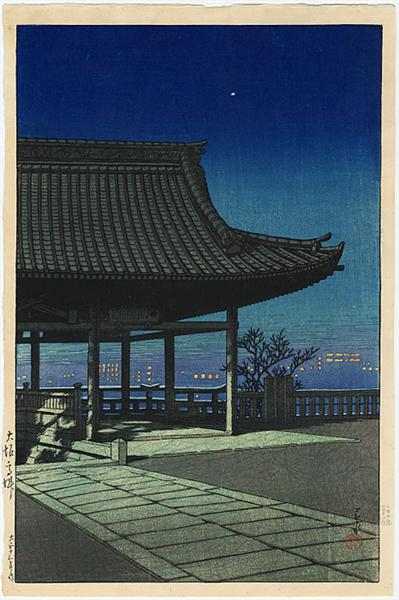
Kawase, Night: Three Contemplative Scenes by Hasui Kawase
Hasui Kawase 川瀬 巴水, Dusk at Ushibori (Ushibori no yugure), 1930, Color woodblock print, oban tate-e, 17 1/16 × 11 13/16 in. Art Institute of Chicago Hasui Kawase is one of those gripping artists with a sharply unique perspective. His landscapes have a je ne sais quoi which sparks instant recognition of the scene as…
-
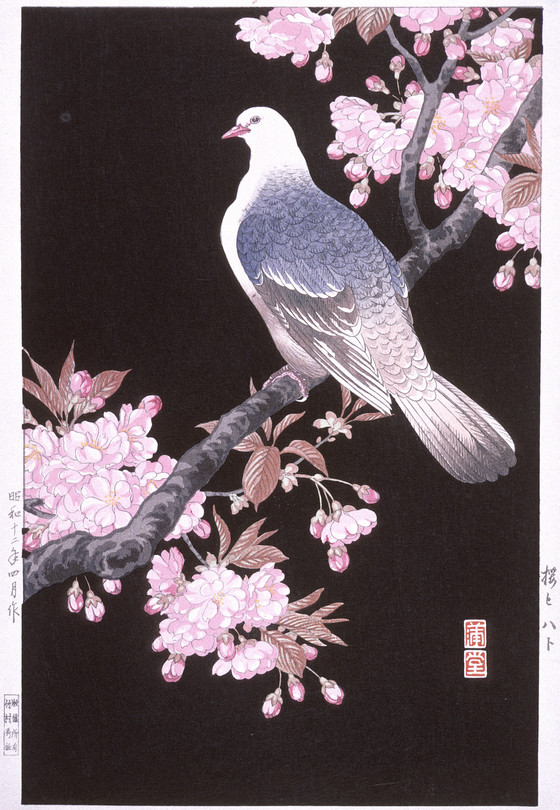
Quick Print: Cherry Blossoms and Pigeon by Nichimura Hodō (1937)
Nishimura Hodō, Cherry Blossoms and Pigeon, 1937, woodblock print, 14 7/16 × 9 3/8 in., LACMA. Pigeons are funky little creatures. Doesn’t this dove look so vividly spectacular? This elegant dove by N. Hodo seems so life-like in composition. Deep blue-grays transition into subtle earth over the dove’s ornithological frame, a hefty sense of contrast…
-

A Brief History of the Onna Musha, the Female Samurai
What comes to mind when you hear the word samurai? Men wielding katanas? Ironclad Japanese warriors about to strike a blow? Or perhaps a robed samurai on the verge of self-sacrifice. What about a kimono-wrapped lady on the verge of kicking ass? While most women in feudal Japan were expected to adhere to traditional roles,…
-
![[FACTSHEET] Hayami Gyoshū: Modern Nihonga in Blue](https://inkbrushmood.com/wp-content/uploads/2024/02/HayamiGyoshu-Shugakuin-1918.jpg)
[FACTSHEET] Hayami Gyoshū: Modern Nihonga in Blue
BY: IKB WIND | February 08th, 2024 [ABOUT HAYAMI GYOSHU] Hayami Gyoshū (1894-1935) was a Nihonga painter from the Inten Revival era. His paintings were luminous in nature, with a contemporary sense of perception. For instance, in Tokyo Dancer, the soft, asymmetrical outlines that emphasize the woman’s blue-gowned figure also make her appear airbrushed! Painted…
-

Hasui Kawase & His Stand-Out Perspective
Within the vastness of the floating world, one perspective stands out for its distinctiveness: that of Hasui Kawase. Born in 1883, he became a prominent figure in the shin hanga movement. Shin hanga prints are essentially modernized ukiyo-e, characterized by a more Westernized influence in terms of pigments used and artistic perspective. Some of Hasui…